
Goddess Mahagauri
About Goddess Mahagauri
Goddess Mahagauri is worshipped as the eighth powerful form of Maa Durga, especially on the eighth day (Ashtami) of Navaratri. Her name means 'the one who is extremely fair'—with a bright, moonlike radiance that brings hope, purity, and calm. She is a symbol of forgiveness, tranquility, and the fulfillment of all true desires. Mahagauri is known for her gentle, peaceful presence. She is pictured riding a white bull, dressed in shining white or light blue garments, with four arms carrying a trident and a damaru, and showing the Abhayamudra (promise of safety) and Varadamudra (bestowing boons). Devotees seek her blessings for good health, harmony in families, beauty, and success in honest undertakings. Prayers to Mahagauri are believed to wash away the ‘dark dust’ of pain and karma—helping every sincere heart to shine with peace and confidence.


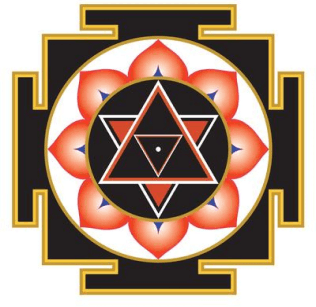
Mantra of Goddess Mahagauri
On the eighth morning or evening of Navaratri, families gather to recite Mahagauri’s mantras for blessings of purity and fulfillment. The main mantra is: 'श्वेते वृषे समारूढ़ा श्वेताम्बरधरा शुचिः। महागौरी शुभं दघान्महादेवप्रमोददा॥' (Shvete Vrše Samāruḍhā Shvetāmbaradhara Shuchiḥ. Mahāgaurī Shubhaṃ Daghān Mahādevapramodadā). The simple prayer 'ॐ देवी महागौर्यै नमः॥' (Om Devi Mahagauryai Namah) is repeated softly as rice, sugar, or coconut are offered at the altar. The chanting is gentle, eyes closed, every syllable a request for Mahagauri to remove life’s heaviness and bless the mind with happiness and new beginnings. The mantras are taught to children as a shield against anxiety, to students for clarity, and to elders for peace and dignity in the twilight years. Their vibration clears sadness, leaving only a quiet brightness—a feeling that the Mother is near, smiling and bringing good news.
Chalisa of Goddess Mahagauri

Aarti of Goddess Mahagauri
Frequently Asked Questions
FAQ stands for frequently asked questions. It's a page on a website that provides quick answers to common questions from customers and other visitors.

