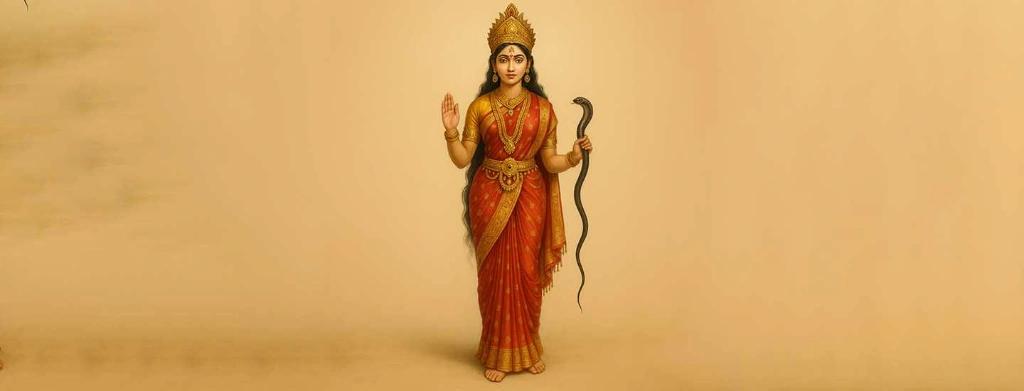
Goddess Manasa Devi
About Goddess Manasa Devi
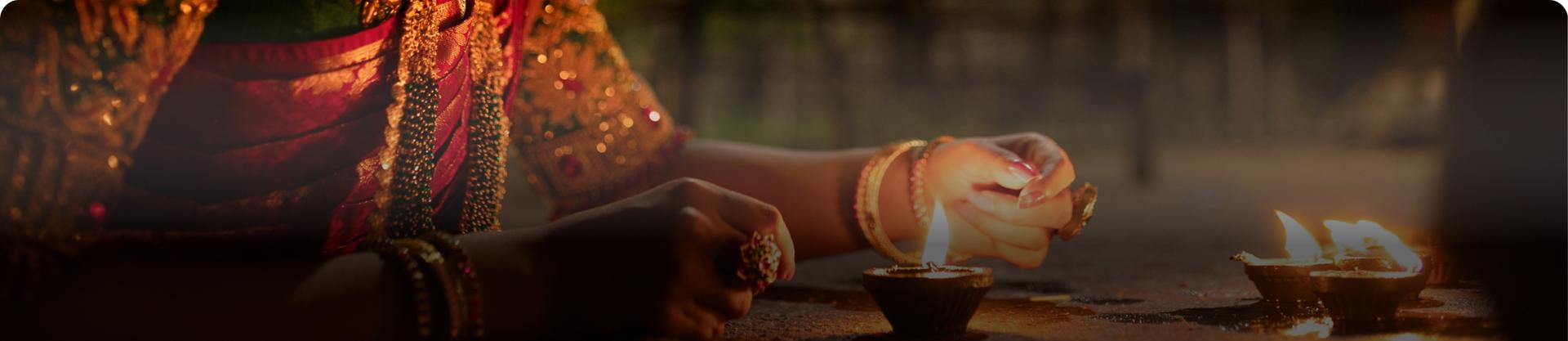
Goddess Manasa Devi is worshipped across Bengal, parts of Northeast India, and Himalayan villages as the compassionate and mighty Snake Goddess. She is known for her power to protect families from snakebites, grant fertility and prosperity, and watch over children with a vigilant motherly eye. Manasa Devi is sometimes called Vishahara (the destroyer of poison) and Padmavati, and is revered not only for the miracles of physical healing but also for removing poisons from the heart—anger, jealousy, and hardship. Her shrines are humble, often simple clay images or earthen pots placed beneath trees and in household courtyards. At dawn, mothers offer milk, water, flowers, and a touch of sindoor, softly asking for the safety of their loved ones. For many, Manasa Devi is both a strict and loving mother, quickly punishing disrespect but always ready to fulfil the sincere wishes of the humble devotee.


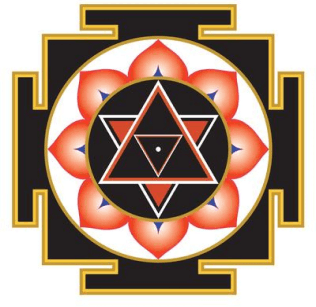
Mantra of Goddess Manasa Devi
The main *mantra* for Manasa Devi’s worship is ‘Ōṁ hrīṁ śrīṁ klīṁ aiṁ manasādēvyai svāhā’. Chanted in soft, sincere voices before her shrine, it is believed to invoke her presence for the protection from snakes, healing from poison, and the granting of wishes. The repetitive sounds are said to wash away fear, illness, and the dangers of the monsoon. Mothers teach their children to murmur her name before stepping in the fields, and farmers recite it at sunrise, trusting that Manasa Devi will keep their homes and crops free of harm. Women preparing for motherhood recite the mantra quietly, asking the goddess for a safe birth and healthy children. Alongside this, folk songs and simple shlokas (like 'Manasa Devi ki Jai') are sung at rural fairs, each syllable wrapping the family in hope and gentle protection.
Chalisa of Goddess Manasa Devi

Aarti of Goddess Manasa Devi
Frequently Asked Questions
FAQ stands for frequently asked questions. It's a page on a website that provides quick answers to common questions from customers and other visitors.

