
Lord Janardana
About Lord Janardana
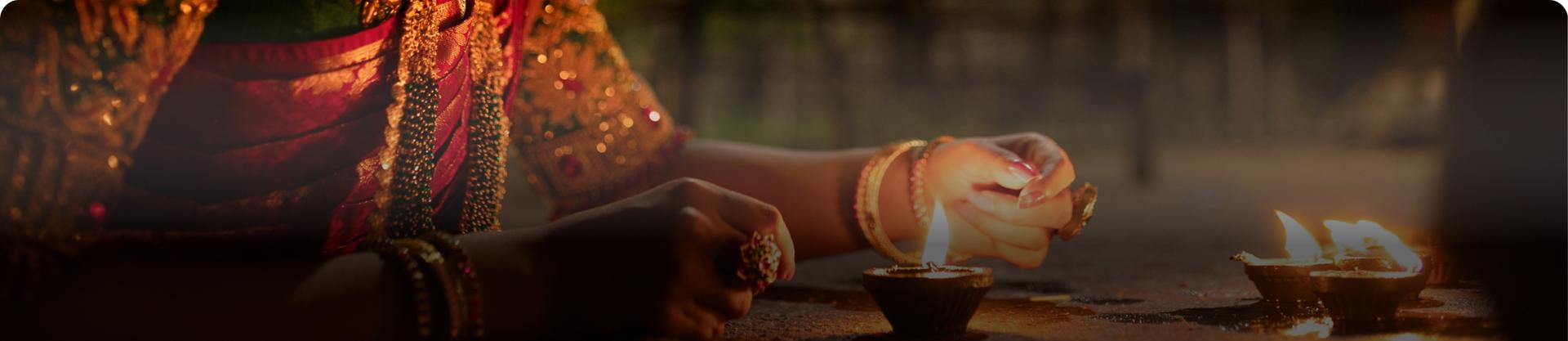
Lord Janardana is worshipped as an all-nourishing and ever-watchful form of Lord Vishnu—the divine protector, preserver, and source of guidance for all living beings. The name ‘Janardana’ means ‘he who removes difficulties and protects people’. In homes and temples, devotees pray to Janardana for security, harmony, and the strength to follow dharma. Whenever life brings confusion or trial—whether small troubles at home or great distress—elderly voices recall that Janardana’s grace is the heart’s truest refuge. Families light lamps before his gentle image, offer tulsi, chant his names, and find courage in his promise: that no one who calls upon him with sincerity is ever truly alone. Janardana’s popularity is especially strong in South India, and pilgrims visit the Janardanaswamy Temple in Varkala, seeking release from sorrow and a fresh start on life’s journey.



Mantra of Lord Janardana
The spirit of Janardana’s worship is found in the chanting of his names and mantras. The most common is 'Om Namo Narayanaya' or 'Om Namo Bhagavate Vasudevaya,' repeated by millions for protection, spiritual growth, and the removal of obstacles. During morning or evening puja, this mantra is quietly recited 108 times or softly sung as devotional music fills the air. Families gather to sing bhajans where Janardana is praised also as Krishna, Govinda, or Hari, each name a doorway to his loving presence. In difficult times or before journeys, elders bless children by chanting 'Janardana, Raksha Maam'—'Janardana, protect me.' The mantra is lived, not just spoken—bringing mindfulness, patience, and a firm trust that all is safely guided. The beauty of Janardana’s worship lies in its simplicity: a gentle mantra, a lighted lamp, and a heart offered in faith.
Chalisa of Lord Janardana

Aarti of Lord Janardana
Frequently Asked Questions
FAQ stands for frequently asked questions. It's a page on a website that provides quick answers to common questions from customers and other visitors.

