
Mahavira
About Mahavira
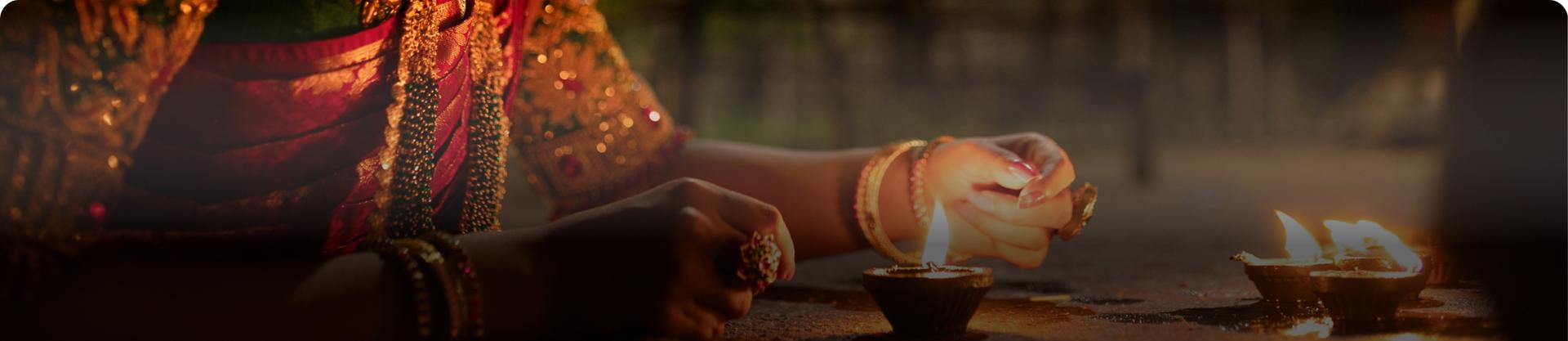
Mahavira, celebrated as the 24th and last Tirthankara of Jainism, is lovingly remembered as a beacon of nonviolence and spiritual self-mastery. Born Vardhamana in Kshatriyakundagrama near Vaishali, Bihar, his early life was one of royal comfort, but from a young age, he was drawn to the search for truth beyond worldly pleasures. His parents, King Siddhartha and Queen Trishala, were known for their wisdom and compassion. As Mahavira came of age, he renounced all wealth and family bonds, choosing a path of deep penance and meditation. He is revered not only as a spiritual teacher and monastic reformer, but as an ideal of fearlessness, discipline, and compassion. Families recall his virtues while lighting lamps and offering soft petals before his serene idol, and his stories inspire devotees to embrace honesty, non-hurting, and self-restraint in everyday life.



Mantra of Mahavira
Jain worship is centered around the Navkar Mantra—a prayer recited every day by followers to honor Mahavira and all enlightened ones: 'Namo Arihantanam, Namo Siddhanam, Namo Ayariyanam, Namo Uvajjhayanam, Namo Loe Savva-sahunam.' This chant, spoken with folded hands and a steady mind, is believed to dissolve negative thoughts, inspire courage, and open the heart to self-improvement. For Mahavira devotees, each line is an act of gratitude—acknowledging the highest souls and asking for guidance in the journey to truth. Elders softly teach children to begin and end their day with this mantra, especially in moments of difficulty or confusion. Some households supplement their worship with verses from the sacred Agamas, praising Mahavira’s patience, fearlessness, and insight. As the prayers rise, a steady sense of peace and hope settles over the home—reminding everyone that, through these teachings, Mahavira’s blessings are always near.
Chalisa of Mahavira

Aarti of Mahavira
Frequently Asked Questions
FAQ stands for frequently asked questions. It's a page on a website that provides quick answers to common questions from customers and other visitors.

