On this page11 sections
- What Are the 12 Jyotirlingas?
- Complete List of 12 Jyotirlingas in India
- Spiritual Significance of 12 Jyotirlingas
- Story Behind the Origin of Jyotirlingas
- Most Visited Jyotirlingas in India
- Best Time to Visit 12 Jyotirlingas
- How to Plan 12 Jyotirlinga Yatra
- Rituals Performed at Jyotirlingas
- Architectural Beauty of Jyotirlinga Temples
- Frequently Asked Questions (FAQs)
- Conclusion
- Sources and review
 Spread across different parts of India, these divine shrines represent the powerful, radiant form of Shiva as a pillar of light “Jyoti” meaning light and “Lingam” symbolizing the infinite nature of God.
For millions of devotees, visiting the 12 Jyotirlingas is not just a journey it is a path to spiritual awakening, inner peace, and divine blessings.
Let’s explore their history, significance, and complete list.
In short
For millions of devotees, visiting the 12 Jyotirlingas is not just a journey it is a path to spiritual awakening, inner peace, and divine blessings. Let’s explore their history, significance, and complete list.
What Are the 12 Jyotirlingas?
According to Hindu scriptures, Lord Shiva manifested himself as an infinite column of light to settle a dispute between Lord Brahma and Lord Vishnu. This divine appearance is known as Jyotirlinga.
The 12 Jyotirlingas are considered the most sacred abodes of Lord Shiva, each with unique legends and spiritual importance.
Complete List of 12 Jyotirlingas in India
Here is the sacred list of all twelve:
| No. | Jyotirlinga Name | Location | State |
|---|---|---|---|
| 1 | Somnath | Prabhas Patan | Gujarat |
| 2 | Mallikarjuna | Srisailam | Andhra Pradesh |
| 3 | Mahakaleshwar | Ujjain | Madhya Pradesh |
| 4 | Omkareshwar | Mandhata | Madhya Pradesh |
| 5 | Kedarnath | Uttarakhand | Uttarakhand |
| 6 | Bhimashankar | Pune | Maharashtra |
| 7 | Kashi Vishwanath | Varanasi | Uttar Pradesh |
| 8 | Trimbakeshwar | Nashik | Maharashtra |
| 9 | Vaidyanath | Deoghar | Jharkhand |
| 10 | Nageshwar | Dwarka | Gujarat |
| 11 | Rameshwaram | Rameswaram | Tamil Nadu |
| 12 | Grishneshwar | Ellora | Maharashtra |
Each Jyotirlinga represents a different manifestation of Lord Shiva.
Spiritual Significance of 12 Jyotirlingas
Visiting the 12 Jyotirlingas is believed to:
- Cleanse past sins
- Grant moksha (liberation)
- Fulfill wishes
- Bring peace and prosperity
- Strengthen spiritual energy
Many devotees chant the “Dwadasa Jyotirlinga Stotram” to receive blessings.
Story Behind the Origin of Jyotirlingas
According to the Shiva Purana, once Brahma and Vishnu argued about supremacy. Lord Shiva appeared as a massive pillar of light and challenged them to find its beginning and end. Neither could succeed. This infinite light form became known as Jyotirlinga.
This story symbolizes that Shiva is eternal and beyond human understanding.
Most Visited Jyotirlingas in India
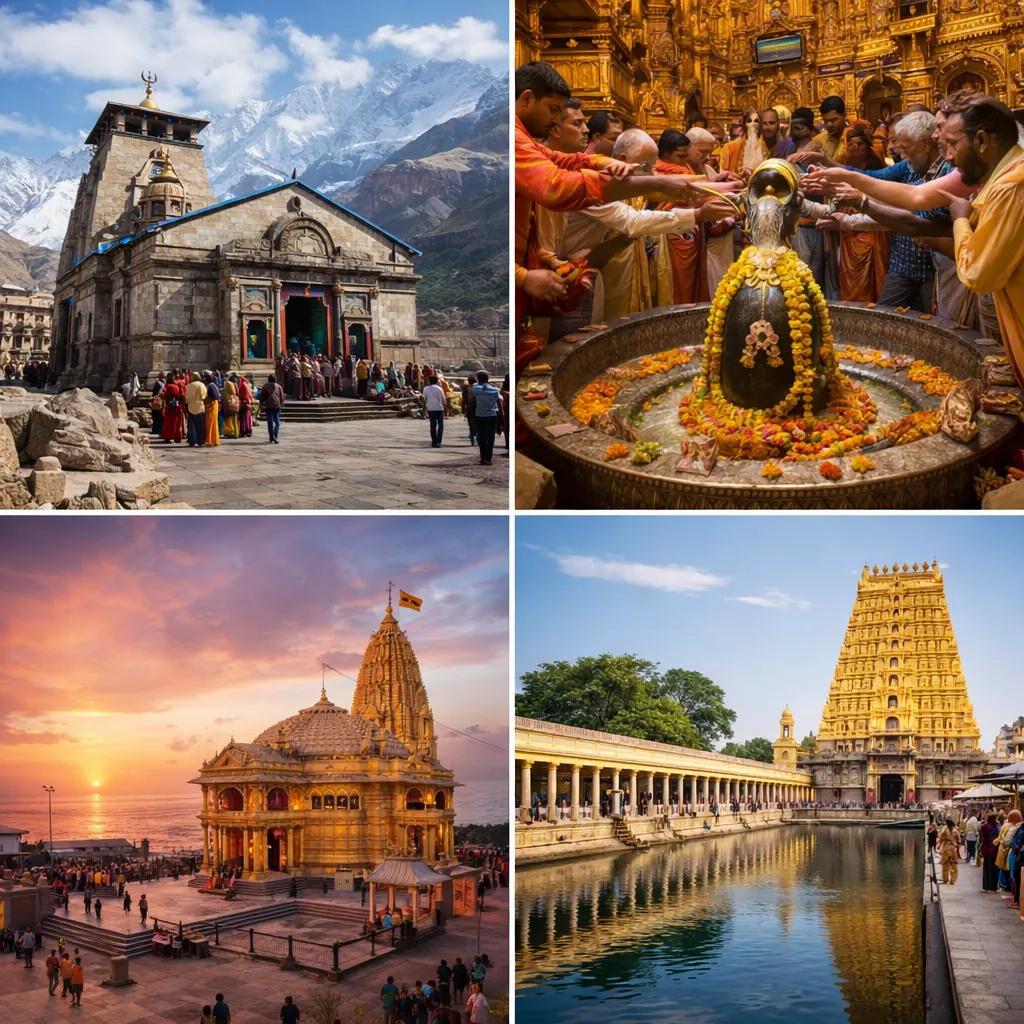
Kedarnath Jyotirlinga
Located in the Himalayas, it is part of the Char Dham Yatra and attracts lakhs of pilgrims annually.
Kashi Vishwanath Jyotirlinga
Situated in Varanasi, this temple is considered one of the holiest places in Hinduism.
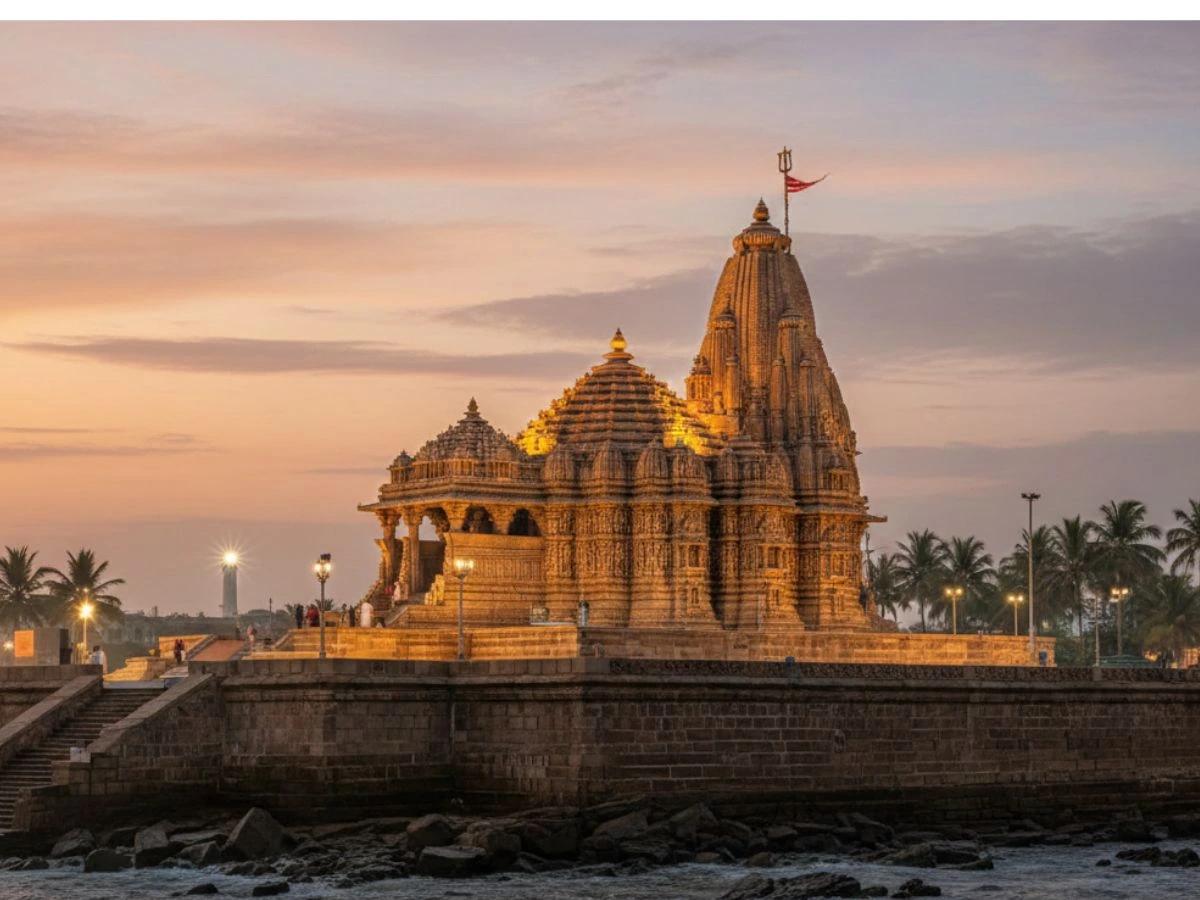
Somnath Jyotirlinga
Known as the first Jyotirlinga, it has been rebuilt multiple times after invasions.
Best Time to Visit 12 Jyotirlingas
- October to March – Pleasant weather
- Shravan month – Highly auspicious
- Mahashivratri – Grand celebrations
Avoid extreme monsoon seasons for safer travel.
How to Plan 12 Jyotirlinga Yatra
You can complete the pilgrimage in phases or through organized tours.
Travel Planning Tips
- Book accommodations in advance
- Check temple timings
- Respect local customs
- Carry necessary ID and essentials
Many tour operators offer customized Jyotirlinga pilgrimage packages covering multiple temples in one trip.
Rituals Performed at Jyotirlingas
Common rituals include:
- Rudrabhishek
- Jal Abhishek
- Bilva Patra offering
- Maha Aarti
Devotees believe these rituals strengthen spiritual connection with Lord Shiva.
Architectural Beauty of Jyotirlinga Temples
Each temple reflects unique regional architecture:
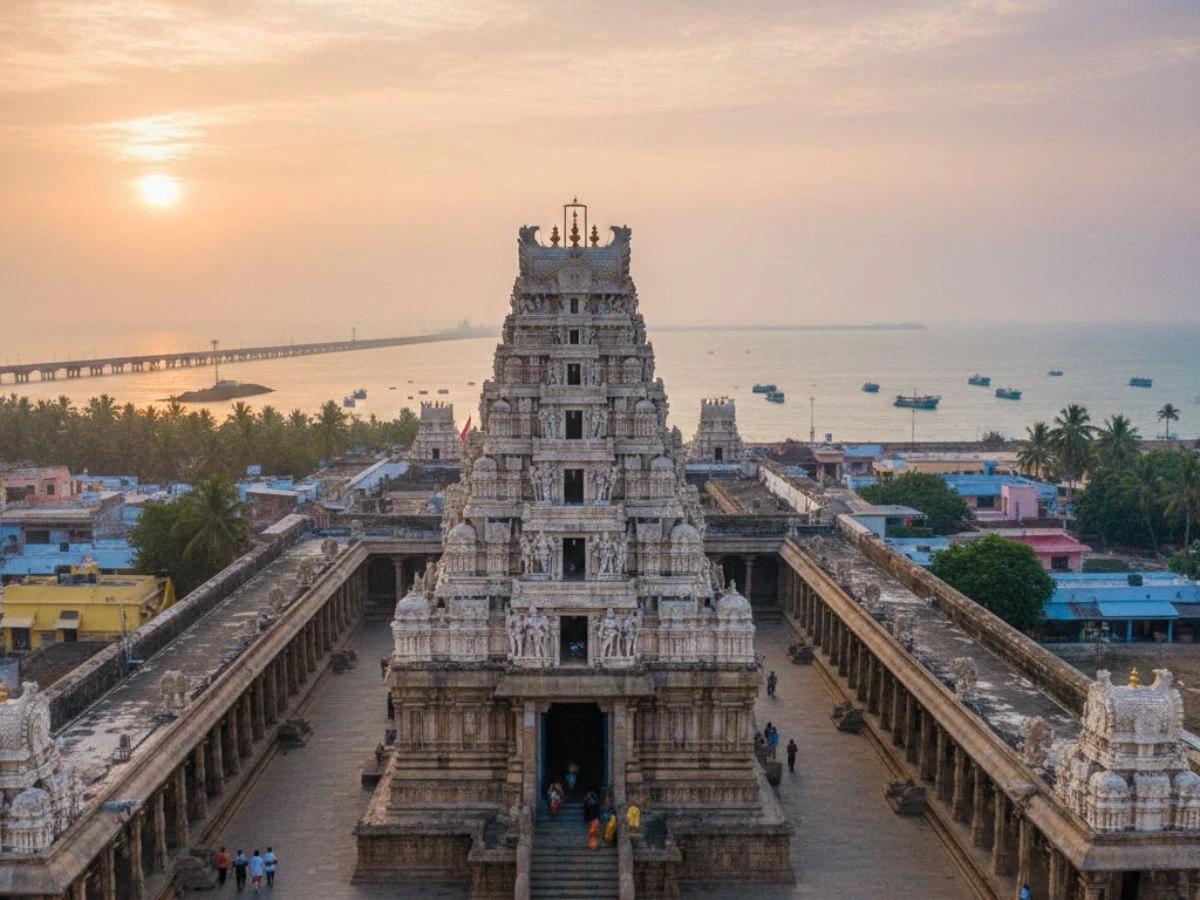
- South Indian Dravidian style (Mallikarjuna, Rameshwaram)
- Nagara style (Kashi Vishwanath, Mahakaleshwar)
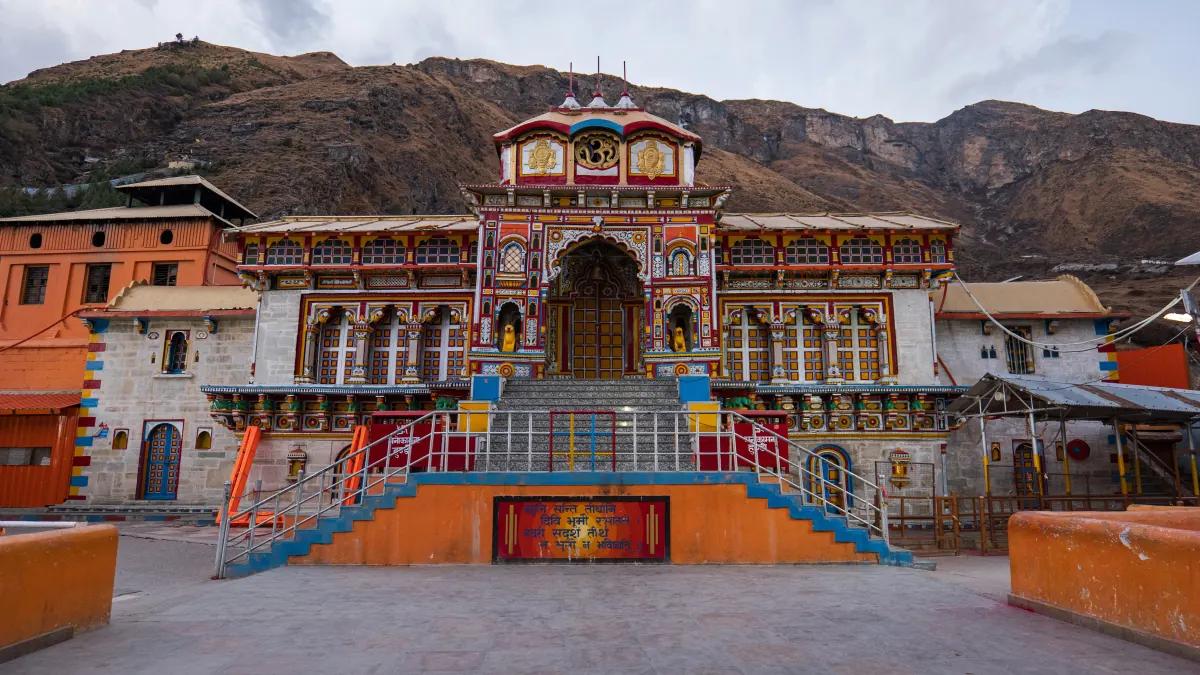
- Himalayan stone architecture (Kedarnath)
The diversity adds cultural richness to the pilgrimage.
Frequently Asked Questions (FAQs)
There are 12 sacred Jyotirlingas.
Somnath in Gujarat is considered the first.
It is possible but requires extensive planning due to geographical spread.
Kedarnath Jyotirlinga.
No, but visiting even one is considered highly auspicious.
It means “pillar of divine light” representing Lord Shiva.
Conclusion
The 12 Jyotirlingas are not just temples they are powerful centers of divine energy that inspire faith and devotion across generations. Each shrine carries its own legend, architectural beauty, and spiritual importance.
Whether you visit one or complete the entire pilgrimage circuit, the blessings of Lord Shiva are believed to bring peace, strength, and enlightenment.
Har Har Mahadev!