Somewhere between packing woollens and arguing about travel dates, the thought hits you. This is not a holiday. This is that yatra.
You might have heard elders say it, or maybe you felt it yourself while scrolling through photos of snow draped temples at odd hours of the night. The CharDham yatra doesn’t begin when you reach Yamunotri. It begins much earlier. At home. In the mind. In the way you prepare.
CharDham yatra planning, especially for 2026, isn’t about ticking boxes. It’s about knowing what you’re stepping into, respecting the mountains, and giving your faith enough breathing room to actually feel something when you finally stand there, cold hands folded, heart oddly quiet.
So let’s talk.
Why CharDham Yatra Planning Matters in 2026
People often ask, “Isn’t this yatra done the same way every year?”
Well. Yes and no.
The dhams haven’t moved. The rivers still cut through the same valleys. But everything around them has changed. More pilgrims. Stricter systems. Better roads, but also tighter controls. Digital registrations. Health advisories. QR codes where once there were just paper slips and faith.
For 2026 pilgrims, char dham yatra how to plan isn’t a casual question anymore. It’s essential. Not because devotion has become complicated, but because the journey itself has.
Plan well, and the yatra flows. Rush it, and you’ll spend more time worrying than praying.
CharDham Yatra Planning Starts With the Correct Traditional Route
Let’s clear this up early, because people still get confused.
The Char Dham is traditionally done in a clockwise direction. Always has been.
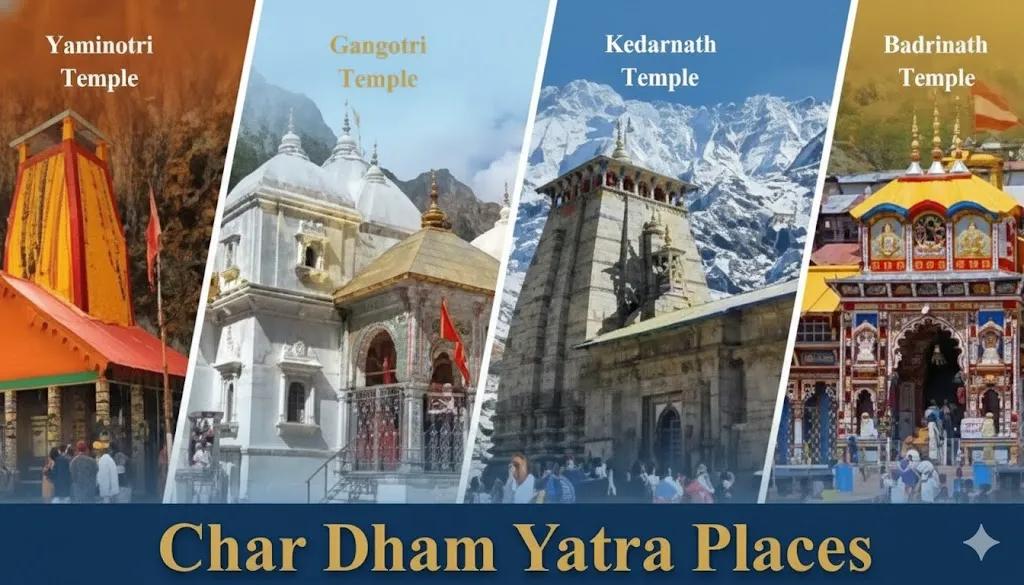
• Yamunotri first
• Then Gangotri
• After that, Kedarnath
• And finally, Badrinath
This isn’t some arbitrary rule someone made up. It follows the geography of the Himalayas, the way roads climb and descend, and honestly, the way the body adjusts to altitude.
If you’re building a char dham yatra trip plan, sticking to this order saves energy, time, and a fair bit of stress. Elders knew this long before route maps existed. Now the administration enforces it too.
CharDham Yatra Registration Is Mandatory for All Pilgrims
Here’s the part many people underestimate.
Registration is not optional. Not flexible. Not something you “manage later.”
Before you even think about hotels or vehicles, CharDham yatra planning begins with registration through Uttarakhand’s official Tourist Safety Management System.
They’ll ask for your details. Basic things. Name, age, ID proof, mobile number. An emergency contact who isn’t travelling with you. How you’re travelling. If you’re driving, even vehicle details.
It might feel bureaucratic. But honestly, once you understand why it exists, it makes sense. The mountains are unforgiving. This system is how authorities know who’s where, especially if something goes wrong.
Carrying Registration Proof Is Non Negotiable

This part is simple, but people still mess it up.
Registering is one thing. Carrying proof is another.
Once you complete registration, you get a Yatra Registration Letter with a QR code. Or at the very least, an SMS with a unique ID.
Keep it. Screenshot it. Print it. Laminate it if you must.
Because at checkpoints, nobody listens to stories. They scan codes. No code, no movement. It’s that straightforward.
Using the Official Tourist Care Uttarakhand App
If you’re the kind who likes information in one place (and most of us are now), the Tourist Care Uttarakhand app is worth having.
Not because it’s fancy. It’s not. But because it’s official.
It connects you to registrations, advisories, weather updates, and safety alerts. When roads close or conditions change, this is where updates show up first.
For anyone asking char dham yatra how to plan digitally, this app is safer than trusting random forwards or WhatsApp “agents”.
Official Helplines for CharDham Yatra Support
No one likes to think about emergencies. But pretending they won’t happen doesn’t help either.
During CharDham yatra planning, make a note of the official helplines. Save them. Write them down. Share them with family.
• Toll free 1364
• Dehradun control room numbers
• Medical helplines
Most pilgrims never need them. But when you do, you really do.
Health and Altitude Safety in CharDham Yatra Planning
Let’s be honest for a moment.
The Char Dham temples sit high. Very high. And the body, especially if you’re coming from plains, takes time to catch up.
That’s why official advisories insist on spacing the journey over at least seven days. Not because they want to slow you down, but because rushing at altitude can turn dangerous very quickly.
Warm clothes. Rain protection. Regular breaks. Watching oxygen levels if needed. None of this is paranoia. It’s preparation.
Good char dham yatra planning respects the body as much as the soul.
What Not to Do During CharDham Yatra
This part is usually ignored, so let’s spell it out.
• No alcohol
• No smoking
• No sleeping pills
• No strong painkillers
• No excess caffeine
At altitude, these things mess with breathing and oxygen levels. The advisory isn’t moral. It’s medical.
If someone in your group feels unwell, don’t “wait it out”. Use the medical helpline. That’s why it exists.
Road Travel Rules That Affect CharDham Yatra Planning
Mountain driving is not like highway driving. And the administration knows it.
That’s why there are clear rules. No night driving. No speeding on bends. Vehicles must be fit, not “just okay”.
If you’re self driving as part of your char dham yatra trip plan, respect these rules. They aren’t suggestions. They’re survival guidelines written after too many close calls.
Green Card Requirement for Commercial Vehicles
Travelling by taxi, bus, or tempo traveller?
Then your vehicle must carry a Green Card issued by Uttarakhand’s transport department.
This confirms the vehicle is fit, insured, permitted, and driven by someone licensed. Vehicles without it can be stopped mid route. And yes, it happens.
Good planning checks this in advance, not at the barricade.
Understanding the CharDham Yatra Project and Road Development
You’ve probably heard people talk about the chardham yatra project. Wider roads. Better connectivity. Faster movement.
And yes, a lot of work has been done. Hundreds of kilometres improved. Multiple stretches rebuilt.
But here’s the thing. Better roads don’t mean careless travel. Landslides, weather, and environmental monitoring still control movement. Expect checks. Expect pauses. Expect delays.
That’s not mismanagement. That’s reality in the Himalayas.
Environmental Oversight and Controlled Movement
There’s a reason movement is regulated now.
The mountains are fragile. Too much pressure, too fast, and things break. Roads. Slopes. Systems.
That’s why you’ll see timed access, traffic regulation, and sudden halts. It’s not always convenient, but it’s necessary.
Understanding this makes your CharDham yatra planning calmer. You stop fighting the journey and start moving with it.
Avoiding Fake Helicopter Booking Scams
This one deserves special attention.
Every year, fake helicopter booking scams trap pilgrims. Websites that look real. Phone numbers that sound official. WhatsApp messages that promise “confirmed seats”.
Authorities have cracked down hard, blocking hundreds of such operations. Still, new ones appear.
Rule of thumb? If it’s not a verified government portal, don’t trust it. No matter how convincing the pitch.
Faith should not come with fraud.
4 Dham Yatra List With Planning Context
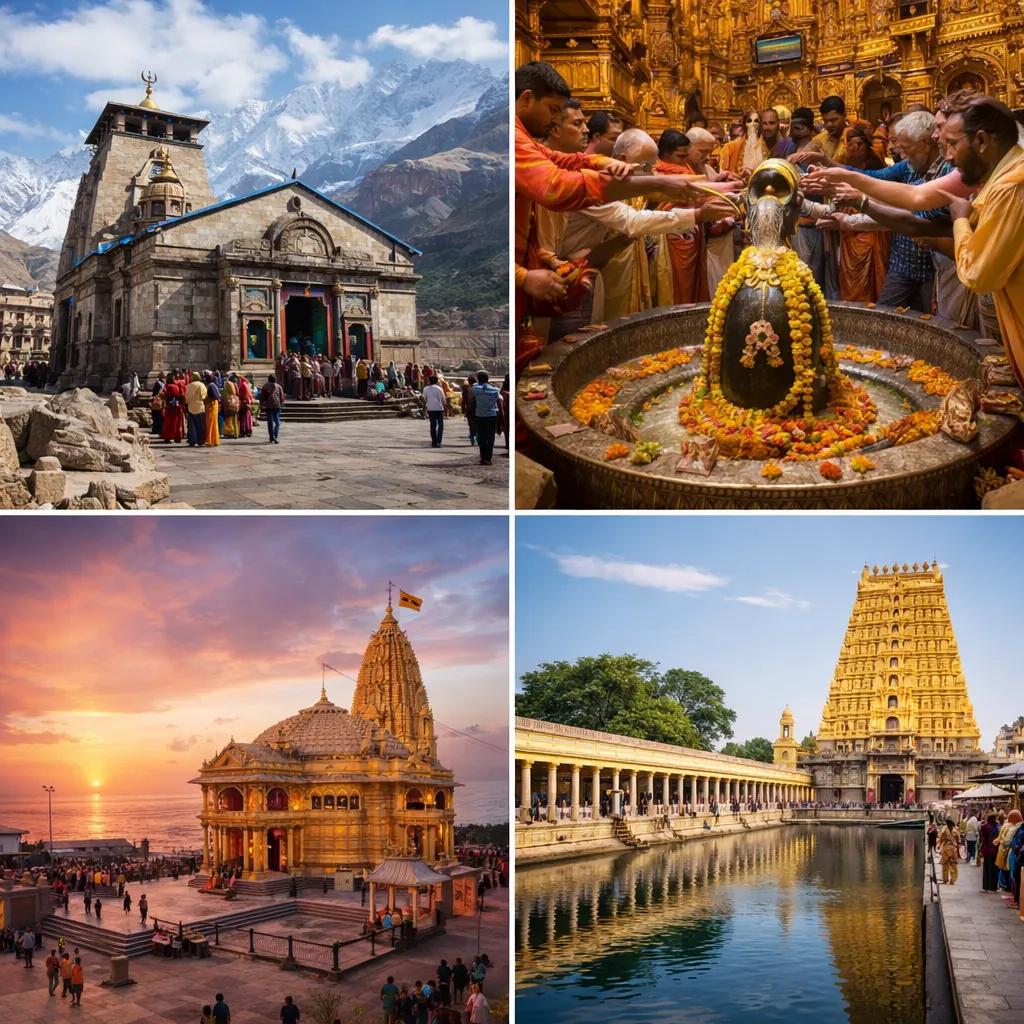
Just to ground ourselves again, the 4 dham yatra list remains unchanged.
• Yamunotri
• Gangotri
• Kedarnath
• Badrinath
Each one different. Each one demanding something unique from the pilgrim. Different terrains. Different climates. Different emotional pulls.
Which is exactly why blanket planning never works here.
If you willing to know more about Char Dham yatra planning, Contact Tirth.com