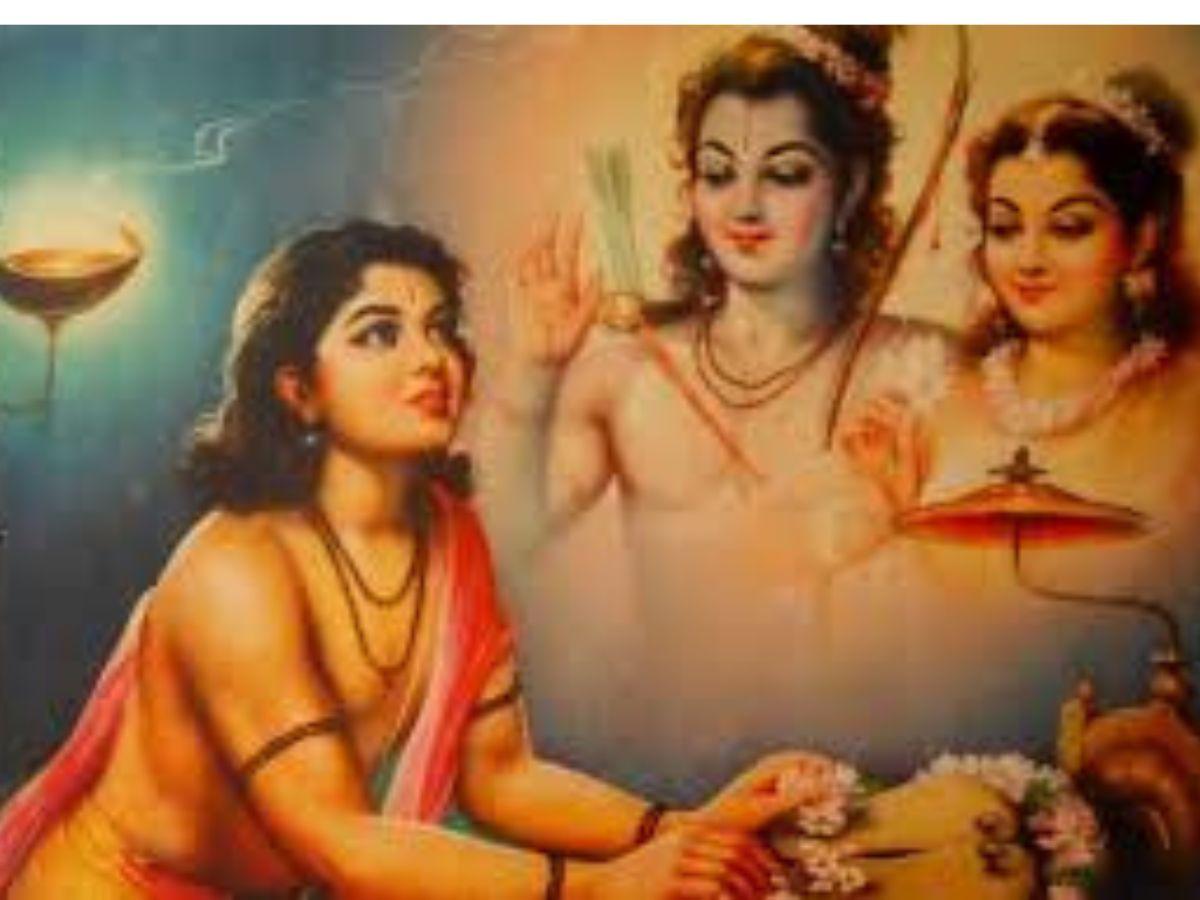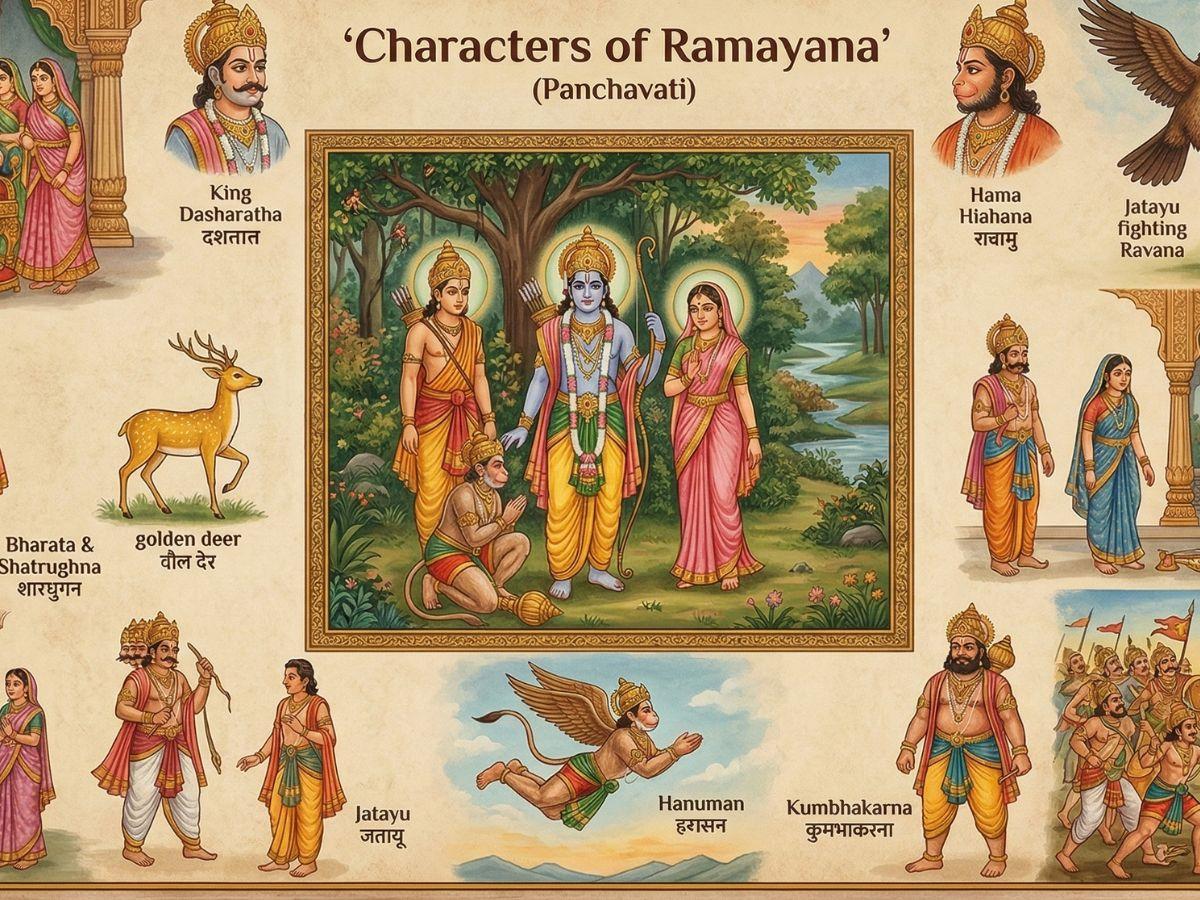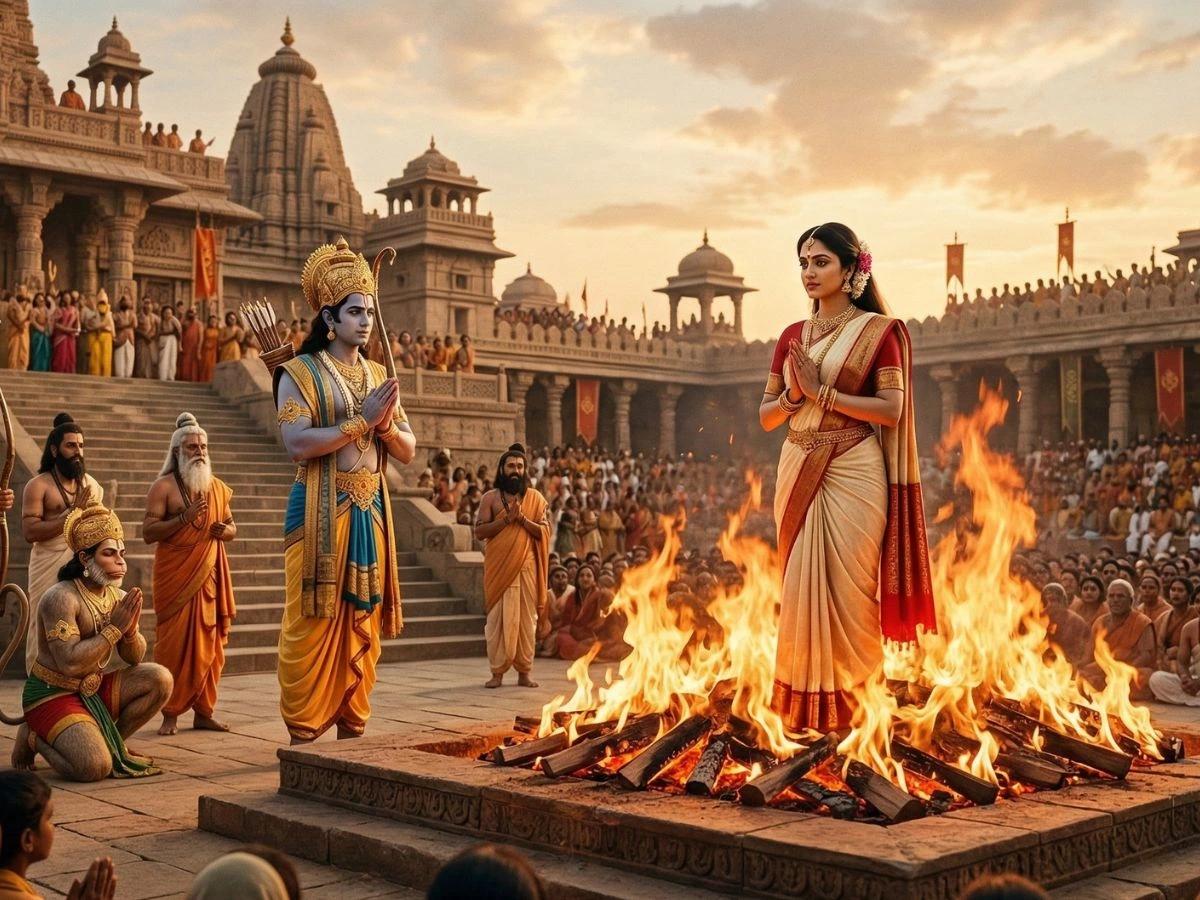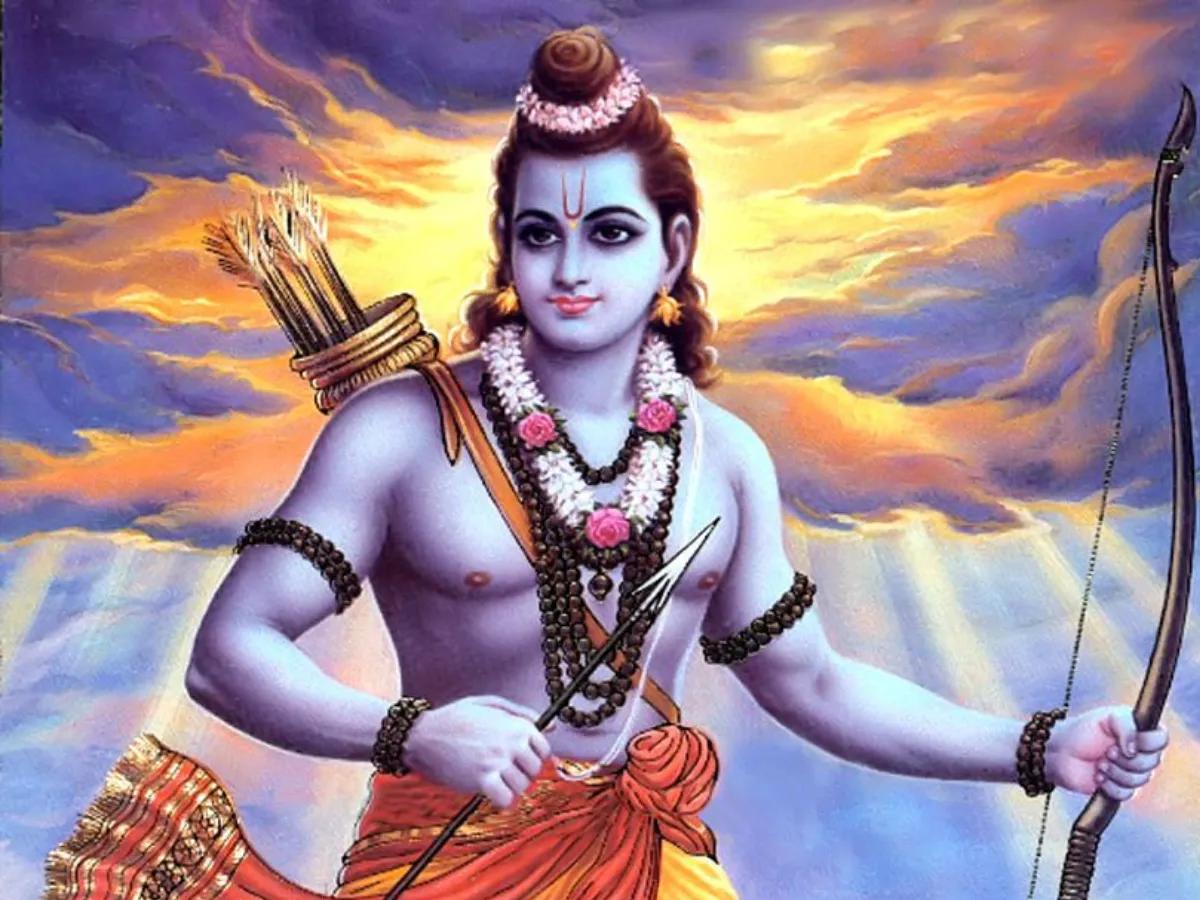
You don’t usually start thinking about maryada purushottam ram meaning while sitting calmly at a desk.
It comes up somewhere else.
Maybe while standing barefoot in a temple queue that doesn’t seem to move. Or while walking along a dusty parikrama path, watching an old man whisper Ram Naam under his breath, not loudly, not for show. Or maybe during a quiet moment at home, when a choice feels heavy and you’re unsure what the “right” thing even looks like anymore.
People don’t search this phrase just to know the words. They search it because they’re trying to understand why Ram still matters. Why, after centuries, his name still carries weight.
In India, Lord Ram is not remembered only for what he conquered. He’s remembered for what he restrained himself from doing. And that changes everything.
Maryada Purushottam Ram Meaning in Indian Tradition
Let’s slow this down.
“Maryada” isn’t some abstract, high Sanskrit idea floating above daily life. It’s actually very grounded. It means limits. Boundaries. Knowing where to stop, even when you can go further.
“Purushottam” means the finest among humans.
So when people say Maryada Purushottam Ram, they’re not saying Ram was powerful. They’re saying he was careful. Thoughtful. Measured.
Indian cultural explanations have always pointed to this. Ram followed rules even when breaking them would’ve made life easier. He chose duty over comfort, truth over shortcuts, responsibility over personal happiness.
And honestly, that’s why this title stuck. Anyone can be strong. Very few can be restrained.
Ideals of Lord Ram as Explained in Cultural Research
What’s interesting is that this idea isn’t just passed down in family stories or temple talks.
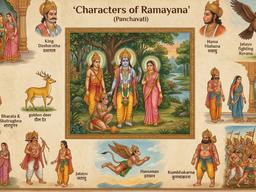
Cultural research, especially from institutions like IGNCA, documents how Ramayan traditions across India focus on conduct more than miracles. Ram is shown listening. Waiting. Accepting consequences. Holding his word even when it hurts.
Academic studies call him an “ideal,” but not in a distant, untouchable way. Ideal as in aspirational, yet human enough to relate to.
That’s why Ramayan performances don’t glorify rage or dominance. They highlight pauses. Decisions. Moral crossroads.
And people notice. They always have.
Ramayan Values in Daily Life Across Indian Culture
Here’s something people forget.
The Ramayan doesn’t live only in books.
It lives in how elders speak about responsibility. In how festivals like Dussehra remind us that dharma doesn’t shout, it endures. In cultural exhibitions and government supported events where stories are retold, not to impress, but to remind.
You’ll hear phrases like “Ram jaisa banna chahiye” thrown casually into conversation. Not as philosophy. As practical advice.
That’s how deeply ramayan values in daily life are woven into Indian culture. Quietly. Almost invisibly.
Lord Ram Principles of Dharma and Maryada
Dharma is often misunderstood. People think it’s strict, unforgiving, rigid.
It’s not.
Dharma, as shown through Ram’s life, is about doing what’s right for that moment, even when it costs you something. Maryada defines the edge. The line you don’t cross, no matter how justified you feel.
Cultural research talks about ethical codes in epic traditions. Rules of restraint. Respect. Accountability.
Ram followed dharma without arrogance. He followed maryada without fear.
That balance is rare. Maybe that’s why it still feels relevant.
Ram Rajya Values and the Idea of Ethical Governance
Ram Rajya is often misunderstood too.
It’s not about power structures or politics. Official cultural references describe it as an idea of ethical order. A society where leadership serves, not controls. Where fairness matters more than dominance.
Ram Rajya values point to responsibility at the top and dignity at the bottom. That’s it. Simple, but hard to practise.
And that’s probably why people still talk about it.
Teachings of Ramayan as Living Heritage
What keeps the Ramayan alive isn’t repetition. It’s relevance.
Government cultural institutions recognise it as living heritage because it adapts without losing its spine. Different regions tell the story differently. Languages change. Forms change.
But the moral core stays intact.
That’s powerful.
Ram as Ideal Human in Indian Thought
One thing I’ve always found telling is this: Ram is worshipped because he feels human.
He doubts. He loses. He waits. He accepts outcomes he didn’t want.
Research indexed in national repositories treats Ram as an ethical study of ideal human behaviour. Not perfection. Balance.
That’s why people relate to him. Gods who never struggle are easy to admire. Gods who struggle and still choose restraint are easier to follow.
Why Maryada Purushottam Ram Matters to Pilgrims Today
Pilgrimage isn’t tourism. Anyone who’s walked a real yatra knows that.
You don’t just travel outward. You carry questions with you.
That’s why Maryada Purushottam Ram still matters to pilgrims. His life offers a way to walk, not just a place to reach.
Official tourism frameworks like the Ramayana Circuit recognise this connection. They map geography, yes. But they also map values.
And that’s important.
Ramayana Circuit and Places That Reflect Ram’s Values
Each destination in the Ramayana Circuit tells a different chapter.
- Ayodhya speaks of responsibility.
- Chitrakoot of simplicity.
- Shringverpur of friendship.
- Sitamarhi of dignity.
- Buxar and Darbhanga of resolve and consequence.
These aren’t random stops. They’re moral milestones.
Understanding that changes how you travel through them.
Conclusion: Living the Meaning of Maryada Purushottam Ram
So, what does maryada purushottam ram meaning really come down to?
It’s not about memorising ideals. It’s about recognising restraint as strength. About choosing the harder right over the easier wrong.
Ram stayed within limits even when no one could stop him from crossing them. That’s the lesson. That’s the weight his name carries.
For pilgrims, travellers, and anyone quietly trying to live with integrity, that lesson still lands. Still matters.
And maybe that’s why, centuries later, people still pause when they say his name.
Learn about Maryada Purushottam Ram and the spiritual significance his life holds for devotees. Tirth.com