Someone will remind you a little too casually. “Ram Navami aa rahi hai.” And you’ll nod, like you always do, even if you don’t yet know the date. That’s usually how it begins.
Not with drums or announcements. With memory.
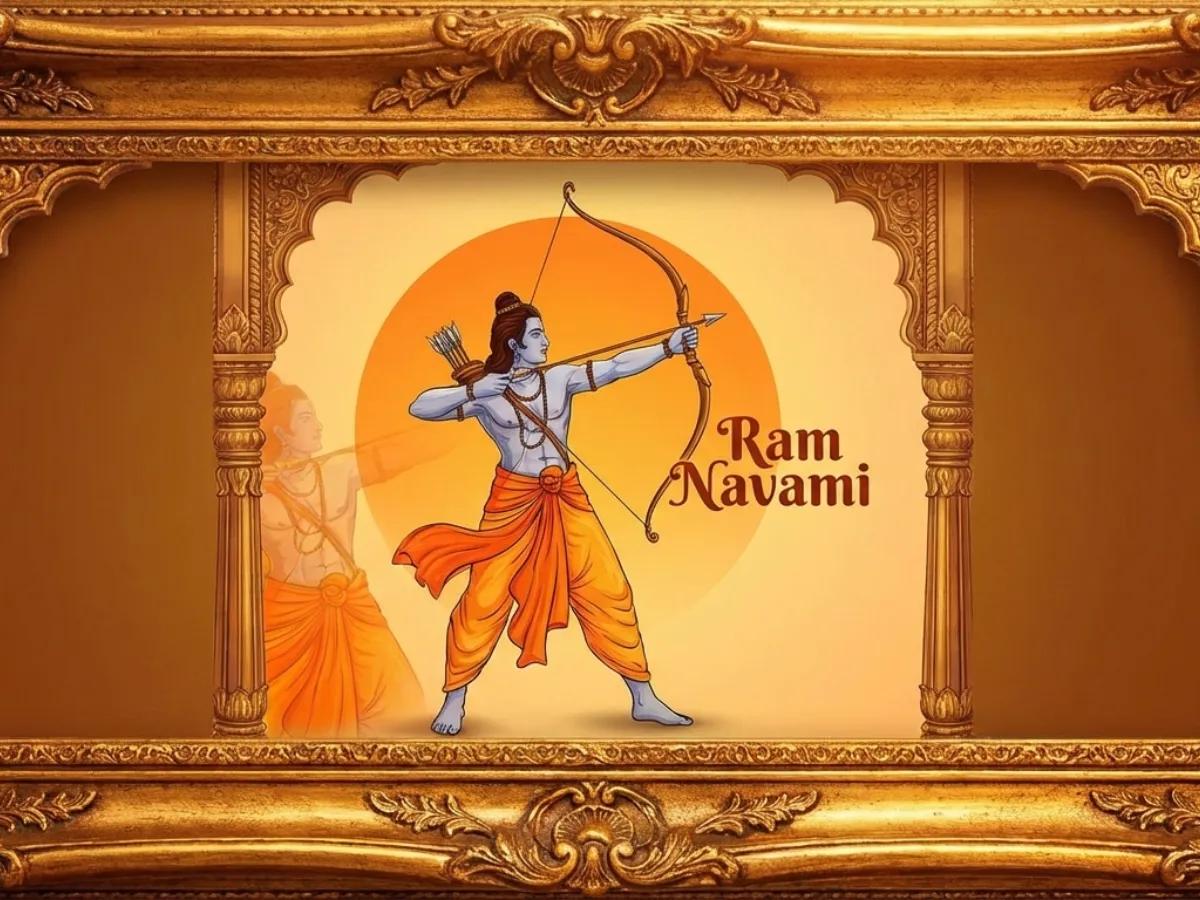
Ram Navami 2026 comes on Thursday, 26 March. Write it down if you like. Or don’t. Somehow, the body remembers before the calendar does.
A day that doesn’t rush you
Ram Navami has a different pace. It doesn’t ask you to celebrate loudly. It asks you to arrive. Mentally, emotionally, sometimes physically.
People wake up early, yes, but not with the excitement of fireworks. More like a quiet discipline. Homes feel cleaner. Temples feel fuller. Conversations soften a little. Even traffic near mandirs moves with a strange patience, as if everyone knows why they’re there.
Officially, Ram Navami marks the birth of Lord Rama, observed on the ninth day of Chaitra. But anyone who has stood in a temple line that day knows it’s more than that. It’s about remembering a way of living. Maryada. Balance. Restraint.
Ram Navami 2026 date and why timing matters
Let’s be clear and grounded for a moment.
Ram Navami 2026 is on Thursday, 26 March.
This date appears consistently across official holiday calendars and verified institutional listings. That consistency matters. It’s what allows families to plan travel, pilgrims to book trains, and working people to request leave without second guessing.
Now, about Ram Navami timing.
Traditionally, the birth of Lord Rama is observed during Madhyahna Kaal, the midday period. For 2026, verified reports place this window roughly between 11:13 AM and 1:41 PM.
If you’re planning temple darshan, this timing changes everything. Lines grow longer before madhyahna. Temples feel denser. People slow down, consciously or not.
My honest advice? Reach earlier than you think you need to. Waiting is part of the offering.
Ayodhya on Ram Navami feels… different
Ayodhya doesn’t just host Ram Navami. It absorbs it.
State tourism records list Ram Navami Mela as one of the city’s major annual events. And yes, the crowds are real. The queues are long. The arrangements are tight.
But there’s also something else. A sense of collective patience.
You’ll see families sitting on the ground, sharing water. Elderly devotees murmuring the Ram Naam under their breath. Children falling asleep in parents’ laps while bhajans drift through loudspeakers somewhere far off.
The Shri Ram Janmbhoomi Teerth Kshetra Trust publishes structured darshan timings, especially important on high footfall days like Ram Navami. Follow them. Don’t fight them. Structure is what keeps devotion from turning into disorder.
And do expect crowd management measures. Verified reports mention expanded queue systems, additional access points, and new pilgrim facilities planned ahead of Ram Navami. All of this exists for one reason. To help people move without harm.
Small rules that carry big meaning
Around Ram Navami, administration in Ayodhya often tightens certain norms. For instance, recent verified reports mention restrictions on non vegetarian food delivery within a defined radius of the temple area.
Some people get annoyed by this. Others understand instinctively.
Ram Navami isn’t about control. It’s about alignment. When a city hosts millions of believers focused on one idea, certain adjustments are inevitable. Respecting them is part of being a pilgrim.
Bhajans, Ram Katha, and the sound of devotion
If you ask me what stays longest after Ram Navami, it isn’t the darshan photo or the prasad. It’s the sound.
Bhajans. Slow ones. Loud ones. Slightly off key ones sung by tired voices.
Verified reports linked to temple trust events talk about continuous musical Ram Katha and devotional performances during Ram Navami. These aren’t concerts. They’re shared breathing spaces.
People sit. Some listen deeply. Some drift. Some cry without knowing why. Bhajans do that. They carry stories the mind already knows but the heart needs to hear again.
Even if you don’t go to Ayodhya, chances are your local temple will host a small kirtan. Go. Sit for ten minutes. Stay longer if you can.
Not everyone travels. And that’s okay.
One thing official tourism sources quietly remind us is this. Ram Navami is observed across India.
In homes. In small mandirs. In community halls. In places where the only decoration is a framed photo and a diya that flickers when the fan is on.
You don’t need a yatra to be a devotee. You don’t need crowds to feel connected. Some of the deepest Ram Navami moments happen at home, barefoot, after a simple prayer, when someone starts humming a bhajan without meaning to.
A few practical thoughts, from one traveller to another
If you are traveling for Ram Navami 2026, keep this in mind.
Arrive early. Earlier than logic suggests. Carry less. Physically and mentally. Follow instructions without arguing. Check official updates close to your travel date. Leave buffer time everywhere.
This isn’t a day for efficiency. It’s a day for steadiness.
Where Tirth.com quietly fits in
At Tirth.com, the work is mostly invisible. And that’s intentional.
Clear dates. Verified timings. Temple focused guidance. Pilgrim first planning.
The idea is simple. Remove confusion so devotion doesn’t have to compete with logistics. Ram Navami deserves that kind of space.
Before the day ends
Ram Navami 2026, on 26 March, will come and go. Like it always does.
What stays is subtler. A line from a bhajan. A moment in a queue. A quiet thought about how Lord Rama lived, not how loudly he was celebrated.
If you carry even one of those moments with you, you’ve done enough.
And if you miss the day entirely? There’s always tomorrow. The Ram Naam doesn’t keep count.
For references related to Ram Navami 2026 dates and significance, see Tirth .com.