somewhere between the afternoon lull and that quiet tension before evening aarti, Sakat Chauth begins to feel real.
Not loud. Not festive in the usual way. More like a long, patient pause.
Sakat Chauth Vrat 2026 will be observed on Tuesday, 6 January 2026, but if you’ve grown up watching this vrat at home, you already know it’s not just about the date. It’s about waiting. About restraint. About that one moment at night when everyone looks up, searching for the moon, holding a steel lota a little tighter than usual.
People call it many things. Tilkut Chauth. Sakat Chaturthi. Maghi Chauth. Different names, same feeling.
And almost always, it’s the mothers who carry it.
Sakat Chauth Vrat 2026 Date and Tithi Details
So yes, let’s get the straight answer out of the way first, because everyone asks.
Sakat Chauth Vrat 2026 falls on Tuesday, 6 January 2026.
Now here’s where confusion usually creeps in. Not because people aren’t paying attention, but because Hindu dates don’t behave like wall calendars.
The vrat follows Krishna Paksha Chaturthi of the Magh month.
Tithi Timing (as per official reports)
- Chaturthi Tithi begins around 8:01 AM on 6 January 2026
- Chaturthi Tithi ends around 6:52 AM on 7 January 2026
Since the tithi is present through the daytime on 6 January, that’s the day the vrat is observed.
Simple. Clear. No need to overthink it.
Sakat Chauth Kab Ki Hai and Why Moonrise Matters
If you’ve ever seen a Sakat Chauth evening unfold, you know this already.
The day doesn’t really end at sunset.
It ends when the moon shows up.
For sakat chauth vrat 2026, the moonrise is expected around 8:54 PM on 6 January. Give or take a few minutes, depending on where you are.
And that wait? That’s the heart of the vrat.
Women sit quietly. Some pray. Some just stare at the sky. Kids get restless. Someone checks the time again. And again.
Only after Chandra darshan, after offering arghya to the moon, is the fast broken.
No shortcuts. No bargaining.
Tilkut Chauth Kab Hai and Other Names of Sakat Chauth
A lot of people search for tilkut chauth kab hai, thinking it’s a separate vrat.
It isn’t.
It’s the same day. Same tithi. Same ritual.
The name Tilkut Chauth comes from the heavy use of til (sesame) on this day. Til laddoos, til offerings, til daan. Especially in winter, til carries warmth, nourishment, and a kind of earthy symbolism that fits the season perfectly.
Other names you might hear:
- Sakat Chauth
- Sakat Chaturthi
- Maghi Chauth
- Vakratundi Chaturthi
- Sankata Chauth
Different regions. Same devotion.
Sakat Chauth Vrat 2026 Puja Vidhi (Simple and Traditional)
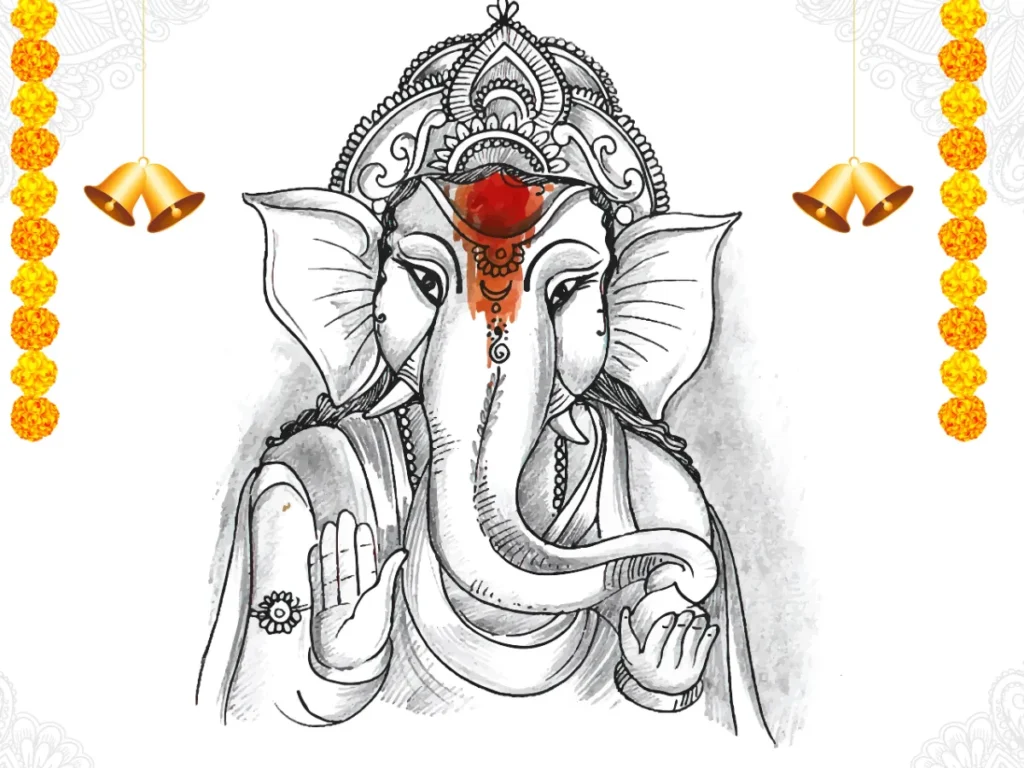
There’s no complicated choreography here. No long list that needs memorising.
The sakat chauth vrat 2026 puja is simple, grounded, and deeply familiar.
Morning Preparation
The day usually starts early. Bath. Clean clothes. A quiet resolve to fast.
No drama. Just intention.
Ganesh Puja During the Day
Sometime during the day:
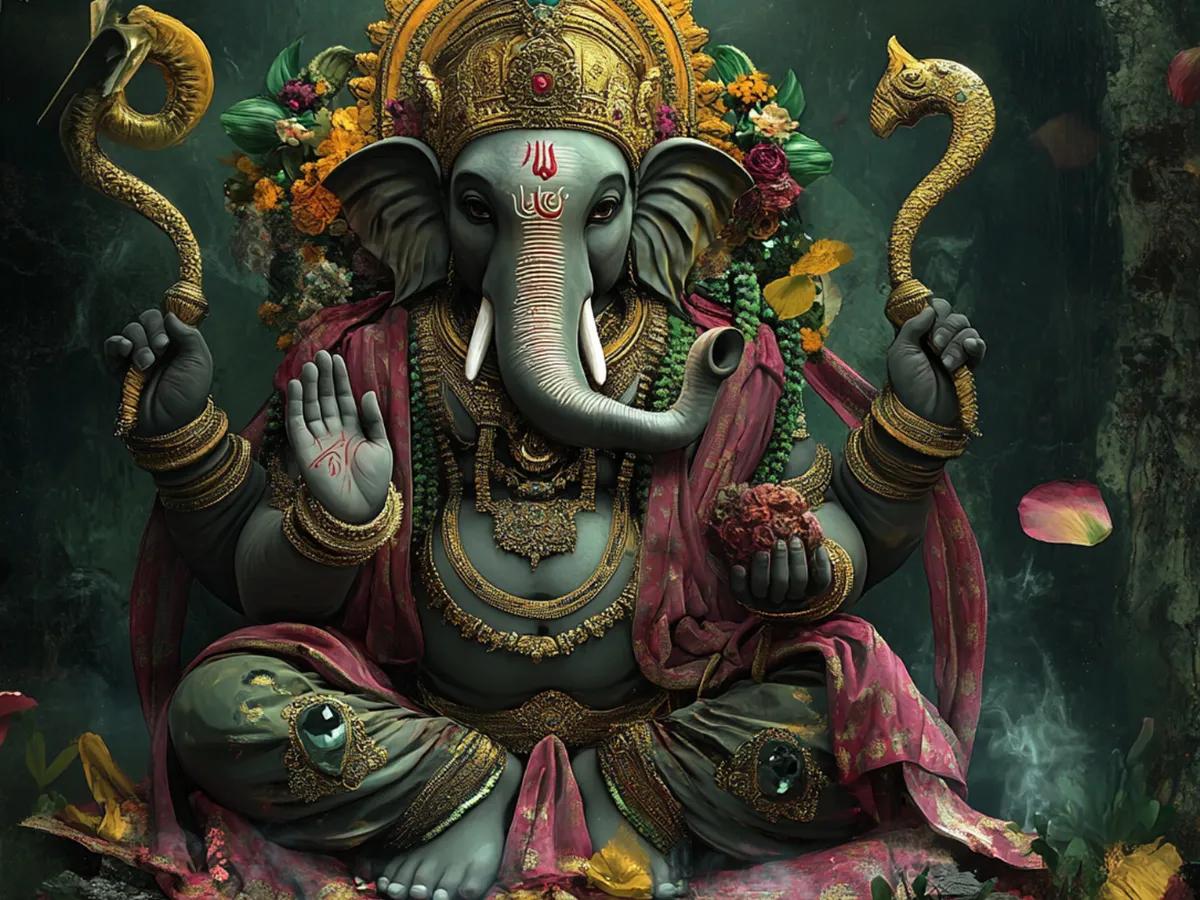
- Lord Ganesha is worshipped
- Sakat Mata is remembered
- Durva grass, modak, and til laddoos are offered
- A diya is lit
- The Sakat Chauth katha is read or heard
Nothing fancy. Nothing rushed.
Evening Puja Time
Many families choose Pradosh Kaal for the main puja. It feels right. The day is settling. The night is approaching. The moon isn’t far.
Sakat Chauth Vrat Katha and Its Meaning
This is where the vrat turns emotional.
The Sakat Chauth vrat katha isn’t just a story. It’s a reminder of why faith survives, even when logic fails.
There’s a king. A potter. A kiln that refuses to burn. A cruel suggestion of sacrifice.
And then, a poor widow.
She doesn’t argue. She doesn’t fight. She just prays.
She gives her son durva and supari, asks him to chant Ganesh’s name, and places her trust entirely in Sakat Mata and Lord Ganesha.
The kiln cools. The child returns unharmed. And it’s believed that the other children are restored as well.
That’s why mothers fast on this day. Not for miracles. For protection.
Who Observes Sakat Chauth Vrat and Why
Traditionally, mothers observe Sakat Chauth Vrat.
For children. For their safety. For their long lives.
These days, families often join in together. Fathers help. Children watch. Elders guide.
But at the centre of it all is that quiet maternal prayer that doesn’t need words.
Sakat Chauth Vrat Rules You Should Know
If you’re looking for strict rules, here’s the honest version.
During the Fast
- Day long fast
- Mostly nirjal, unless health requires otherwise
- No grains
Puja and Katha
- Ganesh puja
- Sakat Chauth katha
- Calm, sattvik mindset
Breaking the Fast
- Only after moonrise
- Only after arghya
- Sattvik food
Daan Importance
Daan matters on this day.
Common offerings include:
- Black til
- Til laddoos
- Ghee
- Jaggery
- Warm clothes
- Grains or money, as one can afford
No pressure. Intention matters more than quantity.
Why Til and Ganesha Are Central to Sakat Chauth
Til keeps the body warm. Ganesha keeps the path clear.
In the cold of Magh, til nourishes. Ganesha reassures.
Vighnaharta. Protector. Listener.
And Sakat Mata, quietly standing beside him, like mothers always do.
Sakat Chauth Vrat 2026 for Pilgrims and Travellers
If you’re travelling during early January, especially to temple towns, you’ll notice something subtle on Sakat Chauth.
Less noise. More patience.
Evening temples fill up slowly. People wait for the moon. Conversations soften.
If you’re on the road:
- Finish darshan earlier in the day
- Keep the evening open
- Expect til based prasad at temples
It’s a gentle vrat. It fits travel well, if you let it.
For references related to Sakat Chauth Vrat 2026, consult Tirth .com.