Somewhere in the middle of packing sweaters you might not need, and arguing with family about dates that never seem to align, it quietly dawns on you. This isn’t a trip. This is that journey.
People don’t usually say it out loud, but most pilgrims feel it. A mix of excitement, nervousness, and that strange heaviness in the chest that comes when faith and logistics collide. CharDham yatra planning begins much before the mountains show up on the horizon. It begins at home. On the dining table. On WhatsApp family groups. In half remembered advice from elders.
And honestly, in 2026, planning matters more than ever. Not because bhakti has changed, but because the world around the yatra has.
Why CharDham Yatra Planning Comes Before the Journey
I’ve seen people reach Haridwar thinking, “Bas pahunch gaye, ab sab ho jaayega.” It doesn’t work like that anymore.
Today, the Char Dham is wrapped in systems. Registration portals. QR codes. Health advisories. Road controls. All necessary, yes, but also unfamiliar if you’re not prepared.
That’s why CharDham yatra planning isn’t a formality. It’s the foundation. When you know what’s coming, the journey feels lighter. When you don’t, even small delays feel like big obstacles.
This guide exists so you don’t learn things the hard way. Simple as that.
CharDham Yatra Planning Begins With Official Registration
Let’s get the most practical thing out of the way.
Registration is mandatory. No debates. No shortcuts.
Every pilgrim must register through Uttarakhand’s Tourist Safety Management System (TSMS). This is how the authorities keep track of who is on the route, where, and when. Especially important when weather turns unpredictable, which it often does in the Himalayas.
You’ll need to create an account, add your travel details, upload ID proof, and share an emergency contact who isn’t travelling with you. If you’re driving, vehicle details too.
Once done, you get a Yatra Registration Letter with a QR code. This is not just paperwork. It’s your entry pass to the yatra.
Carrying Registration Proof During the Yatra
This sounds obvious. Still, people forget.
Registration alone is not enough. You must carry the proof. Always.
The QR letter or SMS ID gets checked at multiple points along the route. Barricades. Check posts. Sometimes even near temple access points.
No proof means delays. Sometimes denial of entry. And trust me, arguing at 10,000 feet altitude is not something you want to do.
Print it. Save it. Screenshot it. Do all three if you can.
Understanding the 4 Dham Yatra List
Let’s slow down and name them properly.
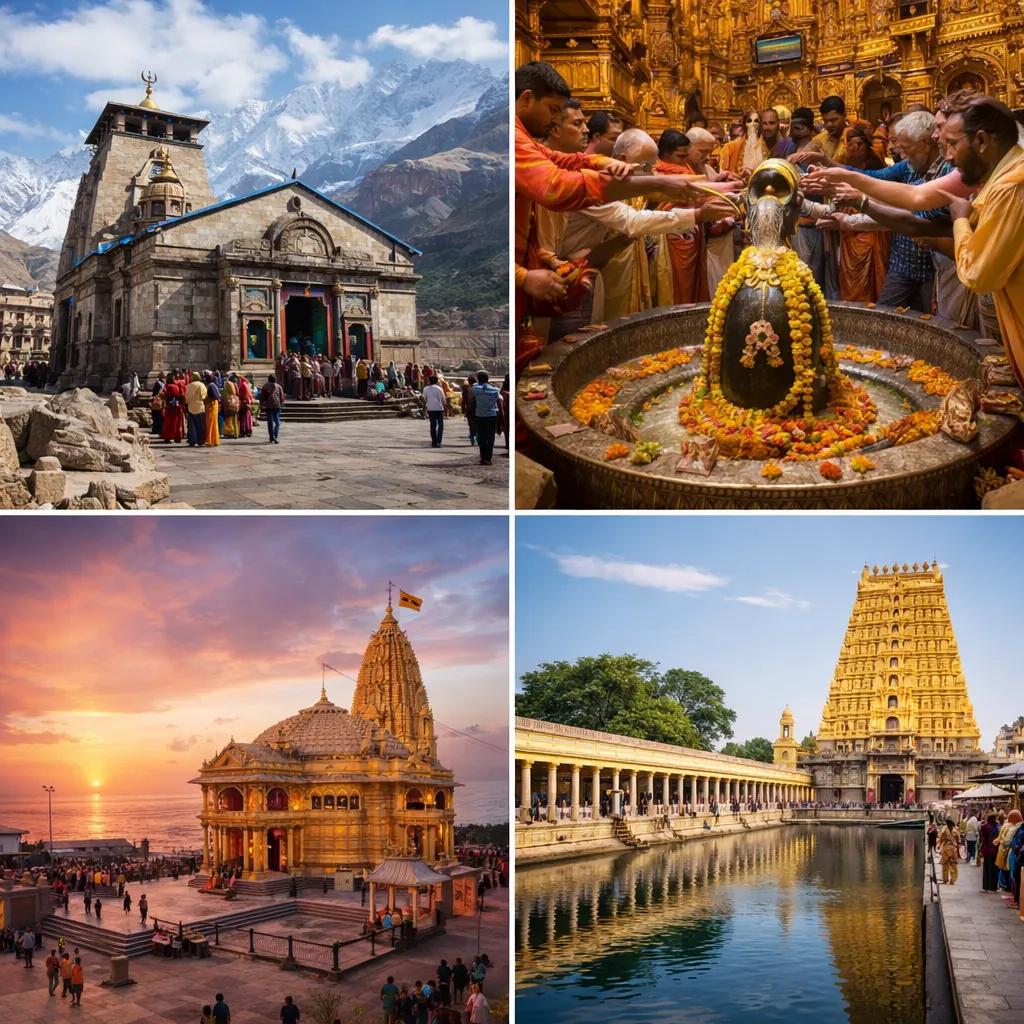
The 4 dham yatra list in Uttarakhand includes:
• Yamunotri. • Gangotri. • Kedarnath. • Badrinath.
Simple names. Heavy meaning.
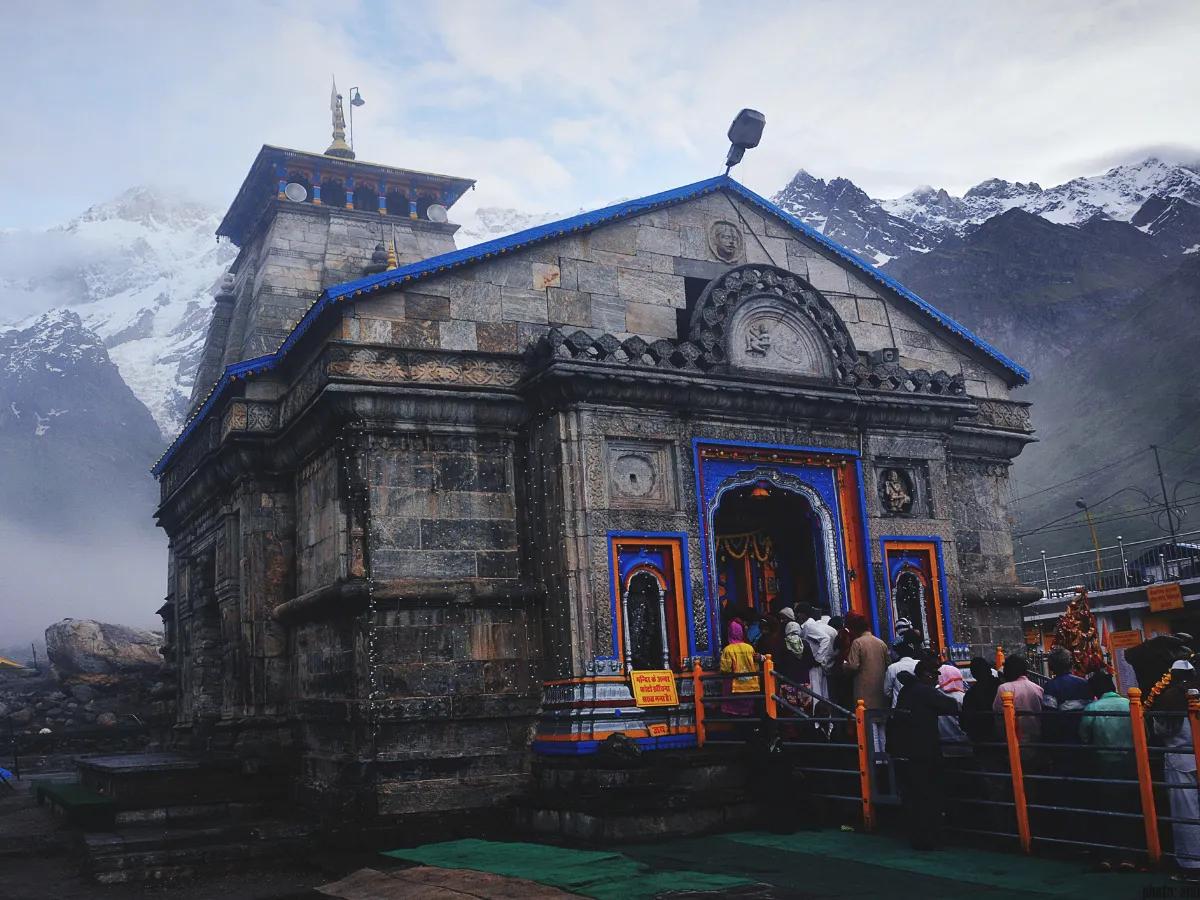
Each dham has its own character. Yamunotri feels raw and quiet. Gangotri carries a calm gravity. Kedarnath humbles you. Badrinath steadies you.
They’re not interchangeable stops. Planning works best when you respect their differences instead of rushing through them like items on a checklist.
CharDham Yatra Route Plan and Travel Flow
A realistic chardham yatra route plan accepts one truth early. This journey is long.
There are road stretches that take hours. There are treks that test your knees and patience. Yamunotri requires a trek from Janki Chatti. Kedarnath climbs up from Gaurikund. Other legs involve long drives between districts that look short on maps but feel endless in real life.
Government itineraries show days with 180 km drives and others crossing 270 km. Planning your days lightly, instead of overstuffing them, makes a big difference to how you feel by the end.
CharDham Yatra Planning and Cost Reference
People often ask, “Kitna kharcha aayega?”
Fair question. But online numbers can be misleading.
A safer way to understand 4 dham yatra cost is to look at government run packages. GMVN listings show that costs change with season. Peak months cost more. Monsoon months cost less. There are separate rates for adults, children, and senior citizens.
These aren’t suggestions. Just reference points. They help you understand what a realistic budget looks like, instead of chasing suspiciously cheap offers.
CharDham Yatra Travel Tips for Road Safety
This part gets ignored too often.
Mountain roads are not highways. Driving rules exist for a reason.
Authorities clearly advise against driving before 5 AM and after 7 PM. Visibility drops fast. Weather changes without warning. And narrow bends don’t forgive mistakes.
Whether you’re driving yourself or hiring someone, chardham yatra travel tips begin with respecting hill driving rules. An experienced driver is not a luxury here. It’s a necessity.
Vehicle Compliance and Green Card Rules
If you’re hiring a taxi, tempo traveller, or bus, there’s another thing to check. Compliance.
Commercial vehicles may require a Green Card and Trip Card to operate during the yatra. These confirm vehicle fitness, permits, insurance, and driver credentials.
Vehicles without proper clearance can be stopped mid route. And yes, it happens more often than people think.
Good planning asks these questions before booking, not on the roadside.
Vehicle Size Restrictions on CharDham Routes
Not all vehicles belong on mountain roads.
Transport authorities restrict vehicles that exceed specific limits for wheelbase, width, and overhang. Oversized vehicles cause traffic jams and become hazards on sharp bends.
There’s a small exception on the Dehradun Mussoorie route. But most yatra routes follow stricter rules.
If your vehicle looks “too big,” it probably is.
Health Considerations in CharDham Yatra Planning
Now let’s talk about the part people don’t like discussing.
Health.
Char Dham temples sit high. Very high. Often above 2700 meters. Oxygen levels drop. Cold creeps in. Even simple walks feel heavier.
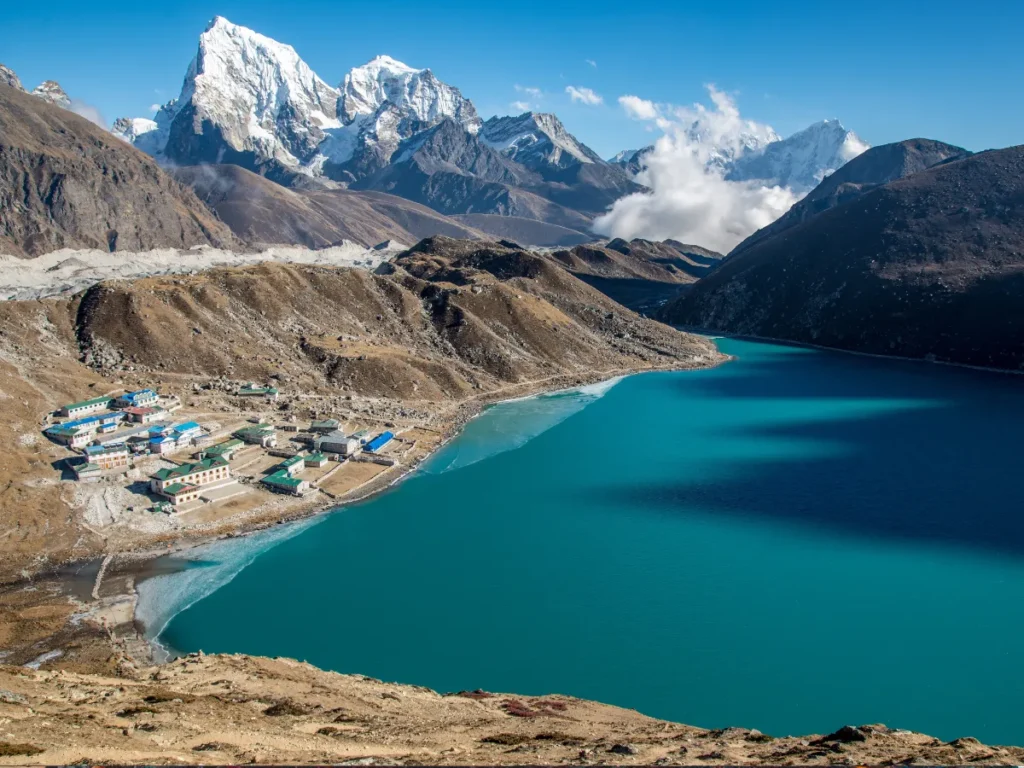
Altitude doesn’t care how fit you think you are.
That’s why CharDham yatra planning must include rest days, slower pace, and attention to how the body reacts. Headaches, breathlessness, fatigue. These aren’t weaknesses. They’re signals.
Packing and Preparation Based on Official Advisories
Packing for the yatra isn’t about fashion. It’s about function.
Health advisories recommend warm layers, rain protection, and basic health tools like a pulse oximeter or thermometer. Nothing fancy. Just practical.
Pilgrims with heart conditions, asthma, blood pressure, or diabetes are advised to get checked before travel. This isn’t fear mongering. It’s common sense backed by experience.
What to Avoid During the CharDham Yatra
Some habits don’t mix well with altitude.
Alcohol. Smoking. Sleeping pills. Strong painkillers. Excess caffeine.
Official advisories warn against them clearly. These substances interfere with oxygen absorption and can worsen altitude related discomfort.
During the yatra, less stimulation is better. More rest. More hydration. More listening to your body.
CharDham Yatra Project and Road Development Awareness
You’ve probably heard about the chardham yatra project improving roads and connectivity.
Yes, many stretches have improved. Hundreds of kilometres upgraded. Multiple civil works completed.
But improved roads don’t mean uninterrupted travel. Weather still rules here. Landslides still happen. Traffic is still regulated.
Planning with buffer days saves frustration. Expecting everything to go exactly on schedule rarely works in the Himalayas.
Final Thoughts for Pilgrims
CharDham yatra planning isn’t about controlling the journey. It’s about creating enough calm so the journey can unfold.
The mountains don’t hurry. The temples don’t demand speed.
They wait.
When planning is thoughtful, the mind settles. And when the mind settles, devotion finds space. Somewhere between the cold air, the slow walks, and the quiet moments, you realise this wasn’t just travel.
It was preparation meeting faith.
Details connected to Chardham Yatra planning and preparation can also be found on Tirth .com.